Neuromarketing and CRO: How Behavioral Science Wins Tests
The best test ideas do not come from guesswork. They come from understanding how people actually decide. Here is how behavioral science feeds a serious CRO program.

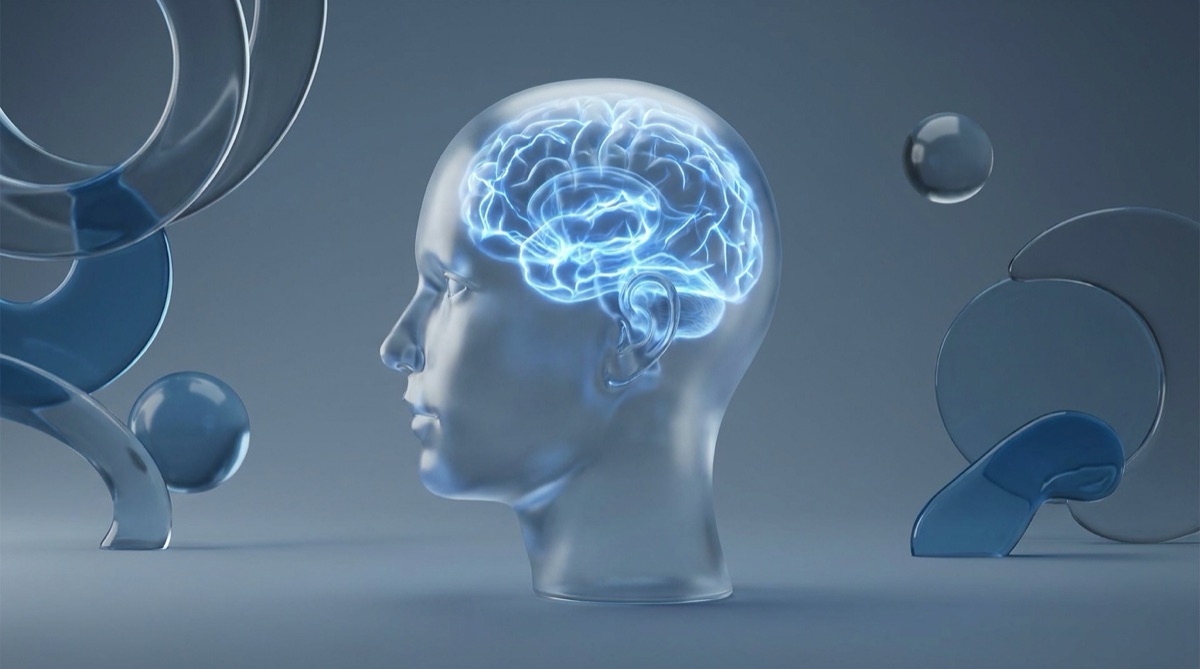
Most A/B tests fail or come back flat. The usual reason is not bad execution, it is a bad idea: a change made on a hunch with no theory behind it. The teams that win consistently are not testing more random things, they are testing better hypotheses, and the best hypotheses come from understanding how people actually decide.
Why "best practices" run out
Copying what worked for another store gets you to average, then stops. Their customers, price and context are not yours. To keep winning past the obvious fixes you need a model of the buyer: what they fear, what they compare against, what reduces their effort, what builds enough trust to act. That is what behavioral science gives you, and it is why we treat research, including neuromarketing and AI-assisted modeling of customer behavior, as the front of the funnel for ideas.
The principles that show up in winning tests
You do not need a lab to apply these. They show up again and again in tests that win:
- Cognitive load. Every extra choice, field or distraction costs decisions. Removing friction often beats adding persuasion.
- Anchoring. What a person sees first frames everything after it. Price, plan and option ordering change perceived value before any feature does.
- Loss aversion. People work harder to avoid losing than to gain1. Framing around what they miss often outperforms framing around what they get.
- Social proof and authority. The right proof, in the right place, at the moment of doubt, lowers the perceived risk of acting2.
- Commitment and progress. Small early yeses and visible progress pull people through multi-step flows.
From principle to hypothesis to test
The point is not to redesign by theory and call it done. Behavioral science is where good hypotheses come from; the experiment is still what decides. The loop is: research surfaces a likely friction, a principle suggests a specific change, and a controlled A/B test measured to significance proves whether it actually moves revenue for your customers.
A principle that "should" work and a test that confirms it did are two different things. We use the science to generate sharper bets, and the testing to keep us honest about which ones pay.
Why this is the difference between programs
Anyone can run a test. The agencies and teams that compound results are the ones whose ideas are not random, because their research is genuinely deep. That research, qualitative and quantitative, behavioral and AI-assisted, is the unglamorous work that makes the visible wins look easy. It is also the hardest part to copy, which is exactly why it is worth investing in.
Better tests beat more tests. And better tests start with actually understanding the person on the other side of the screen.
References
- 1.Daniel Kahneman (2011). Thinking, Fast and Slow. Farrar, Straus and Giroux. https://us.macmillan.com/books/9780374533557/thinkingfastandslow/
- 2.Robert B. Cialdini (1984). Influence: The Psychology of Persuasion. William Morrow. https://en.wikipedia.org/wiki/Robert_Cialdini
Want a team to run this for you?
See how we help